
Northern Spain, Tuscany or the Dordogne? Choosing a Hosted Retreat
The same promise, three landscapes
Some holidays share a shape. A beautiful old house in good country, a cook who knows the place, wine on the table, walks from the door, and a week whose hardest decision is whether to have a second coffee. Tuscany does it beautifully. The Dordogne does it. Northern Spain does it too. If the brief is "somewhere lovely where someone looks after us", all three deliver, so the choice comes down to four things: climate, crowds, cost and character. Get those right for the week you actually want, and the rest tends to follow.
Climate
Tuscany and the Dordogne are most famous in high summer, which is also when they are hottest. July and August can push past thirty-five degrees, and walking becomes an early-morning affair before the heat closes the day down. It is glorious for long lunches and river swims; it is hard work on your feet at noon. Green Spain runs cooler. The Atlantic holds Cantabrian summers in the low-to-mid twenties, which is exactly why you can walk a full day in August without wilting. The trade, as ever in the north, is rain: this coast stays green because it gets weather that central Italy and the south of France do not. Spring and autumn suit all three, but down south the shoulder weather can still turn sharply hot, while the green north simply stays mild, with the woods turning gold in October.
This is the week we do it: Spanish Drawing and Painting Break with Tuition.
Ask about a place →Crowds
This is where the gap is widest. Tuscany's honeypots — Chianti, San Gimignano, the cypress-lined ridges everyone photographs — are loved almost to capacity in season. The Dordogne fills too; Sarlat and the river valleys are busy from June onward. Cantabria, by contrast, is barely on the international map. The Cabuérniga valley and the Saja-Besaya reserve see Spanish walkers and few foreign ones, and a day on the GR routes can pass with more cows than people. If part of what you want from a retreat is genuine quiet, the north simply has more of it to hand.
Cost
Popularity has a price. Tuscan agriturismi and Dordogne gîtes sit in long-established, high-demand markets, and the best of them are priced to match. Northern Spain, less discovered by the international set, tends to give you more for the money: the same someone-looks-after-you week, often for less.
Character
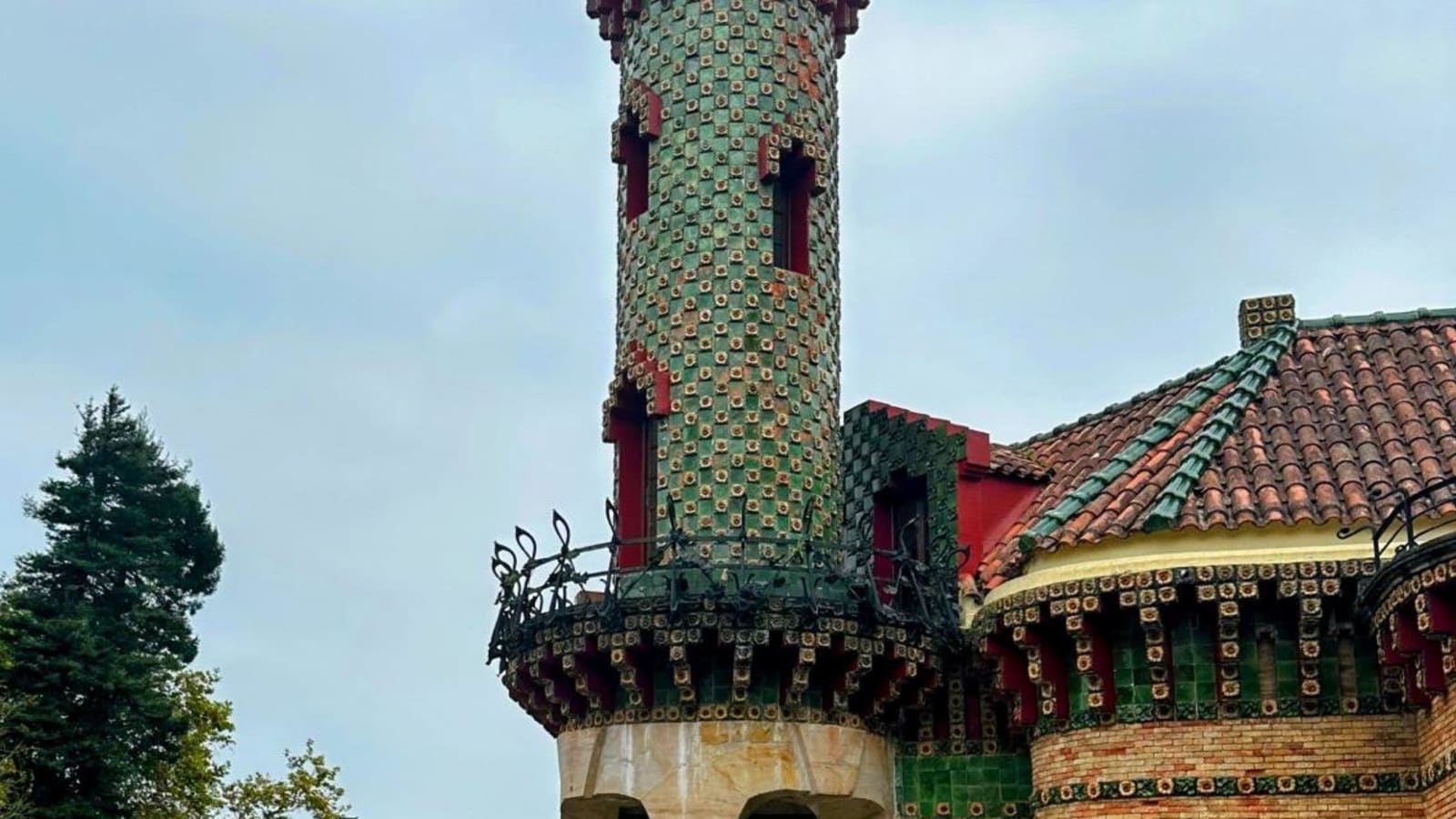
Then there is the feel of the place, which no spreadsheet decides. Tuscany is vineyards, olive groves and Renaissance towns; the Dordogne is rivers, châteaux and walnut country; both are wonderful, and neither pretends otherwise. Northern Spain strikes a different note. Mountains that drop to the Atlantic within the hour, deep beech and oak woods, mountain stews like cocido montañés, sobaos and quesada for tea, and a green, weathered, unhurried quality that feels closer to Wales or Ireland than to the postcard Mediterranean. It is the choice for walkers, and for anyone who likes their beauty a little wild and a little unpolished.
A catered week in the green north
Casa Agara offers the hosted-retreat week in its Cantabrian form: an 18th-century casona in the Saja-Besaya reserve, half board, house drinks and airport pickup from Santander an hour away, with real GR walking and gentler options — yoga, riding, painting, dark-sky astronomy — for the days you'd rather not climb. Rob, María and Chispa the dog keep the house; individuals join a scheduled week, with no single supplement on the house's own weeks.
If Tuscany and the Dordogne are on your list but the heat, the crowds or the price give you pause, come north instead. Join one of our hosted weeks and let the valley look after you.