
What's the difference between hosted, escorted and guided holidays?
The three words describe three different jobs. A guide is an expert in the activity, with you for the hours it lasts. An escort is responsible for the whole trip, from first day to last. A host welcomes you, feeds you and sets the tone of the place, usually because they live there. One holiday can have all three, and the best ones do.
Brochures blur the terms because each one sells something slightly different: expertise, reassurance, warmth. Knowing which job each word actually names makes it much easier to see what you're buying, and what you're not.
What does "guided" actually promise?
Knowledge. A guided holiday puts a qualified or experienced specialist in front of the activity: someone who knows the mountain routes, reads the weather, spots the vultures overhead and knows which paths flood after rain and which farmer waves back. On a guided walking week, the guide owns the walk itself, the route, the pace, the safety decisions, and the stories along the way that turn a hillside into a place.
What "guided" doesn't promise is anything outside the activity. The guiding can end at the trailhead. Your evenings, your dinner table and when something goes sideways after dinner, whose job it is depends entirely on which of these you booked. If walking is the thing you're weighing up, we've compared guided, self-guided and hosted walking formats properly.
What does "escorted" promise?
Responsibility. An escorted holiday has a named person with the group throughout, organising each day, travelling out and back with everyone, and dealing with whatever goes wrong along the way. They might not be an expert in anything except making a week run smoothly, which is its own expertise, and arguably the rarer one. Escorted formats grew up around coach touring, but the word describes the person, not the vehicle; a single-base week can be escorted just as thoroughly.
The question that tests it: who is responsible for me between activities? If the honest answer is "the hotel reception", the holiday isn't escorted, whatever the brochure says.
What does "hosted" promise?
Welcome. A hosted holiday has someone whose job is the atmosphere: greeting you when you arrive, sitting at the table with you, learning your name and your coffee order, and quietly making sure the group becomes a group rather than a set of people who happen to share a corridor. Hosting is the social architecture of the week, and it's the part solo travellers usually need most and think about least. There's a full definition in what is a hosted holiday.
The strongest version is residential: hosts who actually live in the house, whose welcome doesn't end when a shift does, and who will still be there next year if you come back.
Why do the labels get blurred?
Because they borrow well. "Escorted" lends a day tour with a driver some gravitas; "hosted" lends a hotel with a friendly duty manager some warmth. None of it is quite a lie, but the words are often doing more work than the holiday is.
Three questions cut through the fog. Does anyone live on site? Who is with the group between activities? If something goes wrong on Tuesday evening, who exactly do I tell? The answers tell you which of the three jobs are really being done, and by whom.
Which one do you actually want?
It depends on what worries you. If the activity worries you, the terrain, the difficulty, being out of your depth, you want guided. If the logistics worry you, connections, language, plans going wrong abroad, you want escorted. If the social side worries you, eating alone, a week among strangers, arriving to nobody, you want hosted.
Most people, asked directly, discover the social side worries them most and the brochure told them least about it. Solo travellers in particular often book for the guiding and come home talking about the hosting. The walk fills the day; the table is what you remember. If two of the three matter to you, don't settle for a holiday that only names one.
Can one week honestly be all three?
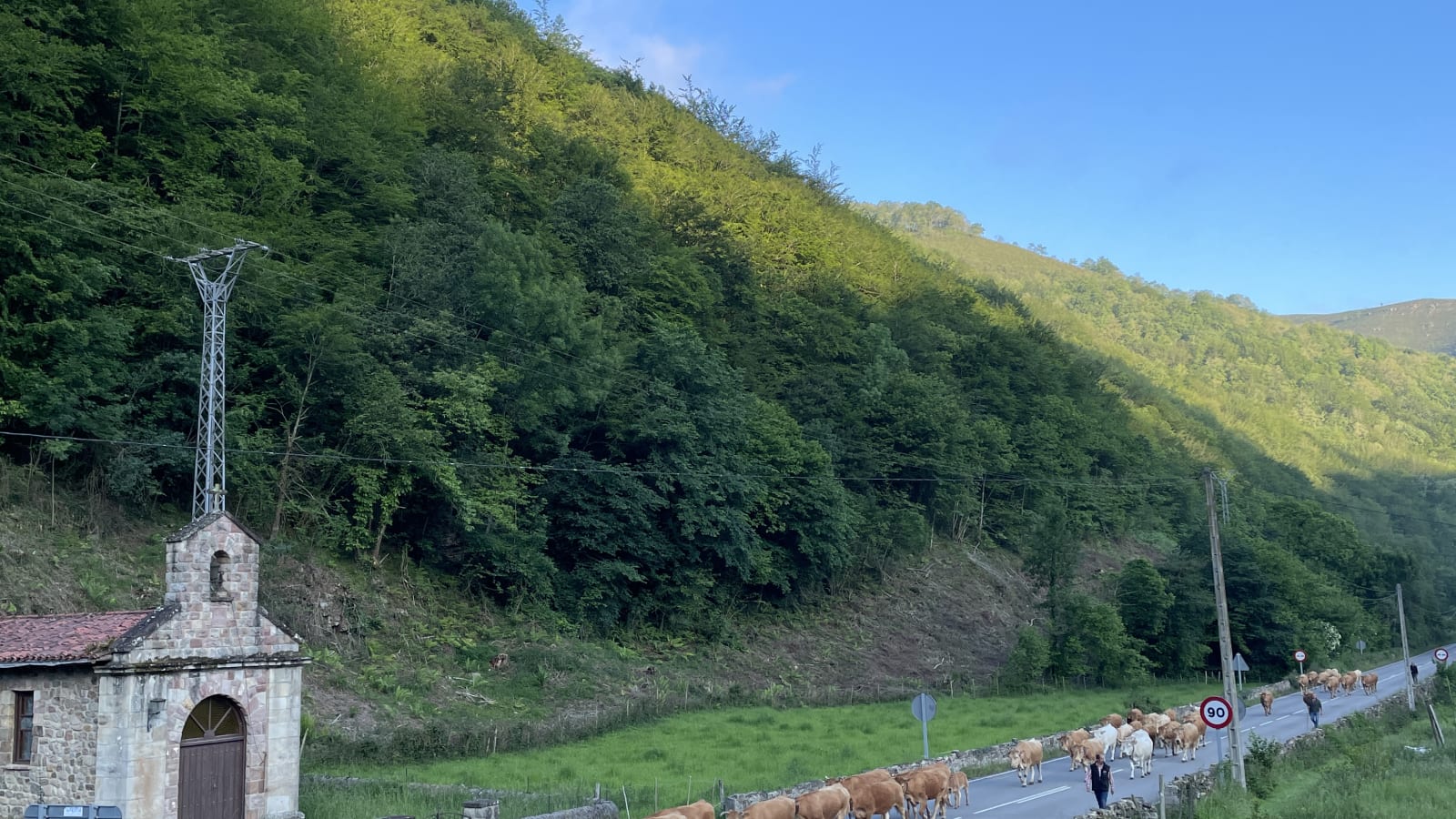
Yes. At Casa Agara, an eighteenth-century casona in Cantabria's Cabuérniga valley, the week is hosted by Rob and María, who live at the house year-round with Chispa the dog. It's escorted, in that you join a scheduled group and the practical load of the week, transport to walks, plans, problems, is carried for you. And the walking weeks are guided by Walkwise, who run walking holidays for a living. One base inside the Saja-Besaya reserve, walks from the door, dinner at one long table with the house wine open.
You join as an individual, and every week is booked through Spice Escapes, Casa Agara's exclusive booking partner, ATOL 9046, with over 45 years of hosted holidays behind them; there's a proper introduction on the Spice page. Three jobs, all present, each done by someone whose actual job it is.
The scheduled weeks list what each one includes, and if a label still seems fuzzy, ask directly and you'll get a plain answer.